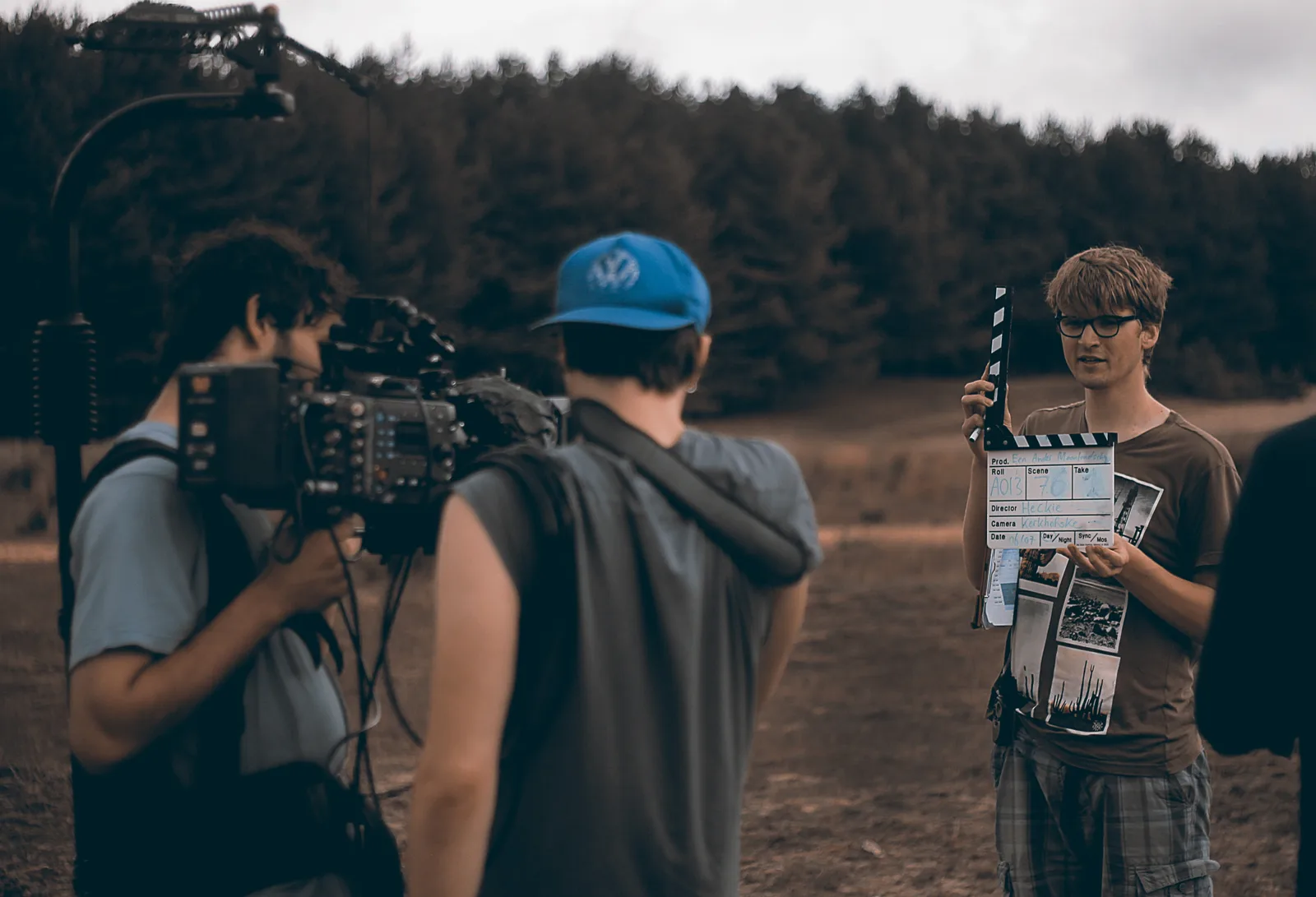
Near the end of my first year in film school I saw an advertisement for an assistant location manager position on a master's thesis short film. The project was the graduation film of a masters student from the rivaling Luca School of Arts. I saw it as a good opportunity to learn what challenges would be waiting for me as a film student, so I applied. The Belgian film industry is largely funded by government grants, which means student projects are entirely self-funded and crew often participate as volunteers, without pay. I volunteered too. Even though it was for total strangers, that wasn't unusual.
I was the assistant to Annemie, an experienced and kind location manager who had graduated from the same academy I attended. Just like me, she was volunteering. She told me it's common for professionals to volunteer one or two student projects a year. They understand how hard it is to get these films made, and those students might one day be their employers. The job of the location manager (in other countries called production manager) is to facilitate the entire infrastructure and logistics around a film set. Wherever the crew is, you make sure they have what they need to do their job without friction. That means preparing the location to host a crew, permits, traffic control, catering, sanitation, cleanup, security, transportation. It's not as glamorous as other jobs in the industry, and pretending otherwise is a disservice. But the responsibility is real. Even as an assistant, at least in the Belgian system, you get a surprising amount of autonomy and a surprising number of important tasks handed to you.
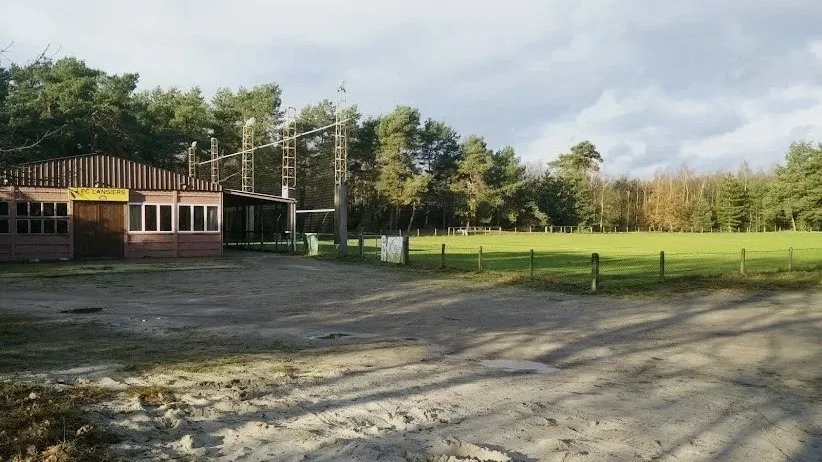
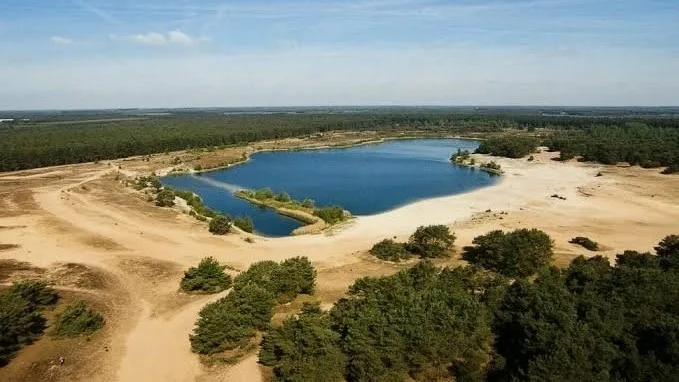
With that out of the way: I arrived at a football canteen that would serve as the shoot's base of operations and sleeping quarters. It sat at the edge of an abandoned mine that had been rebuilt as a nature reserve, a strange landscape of rolling dunes, a large still lake, and a surrounding pine forest. Annemie gave me a rundown of my daily tasks and responsibilities for the shoot. Then, to my surprise, she said she would only be present for the first two days. Of eight. That meant I would be on my own for the rest of it, serving a crew of fifteen to twenty-five people. What had I just gotten myself into?
The rest of the crew arrived piece by piece. With the exception of the sound guys, most of them were classmates or personal friends of the director, all of them five or six years older than me. I was nineteen. It was exciting and it made me anxious. I was surrounded by people who had studied and practiced this work far longer than I had, and I didn't want to make mistakes. So I put my best foot forward.
The director was serious. Clearly a thinker, always looking like he was deep in thought, but also open, joyful, friendly. I could see he was enjoying watching his project come to life. His classmates had a similar seriousness to them, and I started suspecting this might be the aura of directors: whatever the outside is showing, something is always brewing inside.
The catering and art departments were artsy folks, obviously from a different background. Freer spirited, less bothered by earthly reality. The fact that they were smoking weed non-stop may have contributed to that observation.
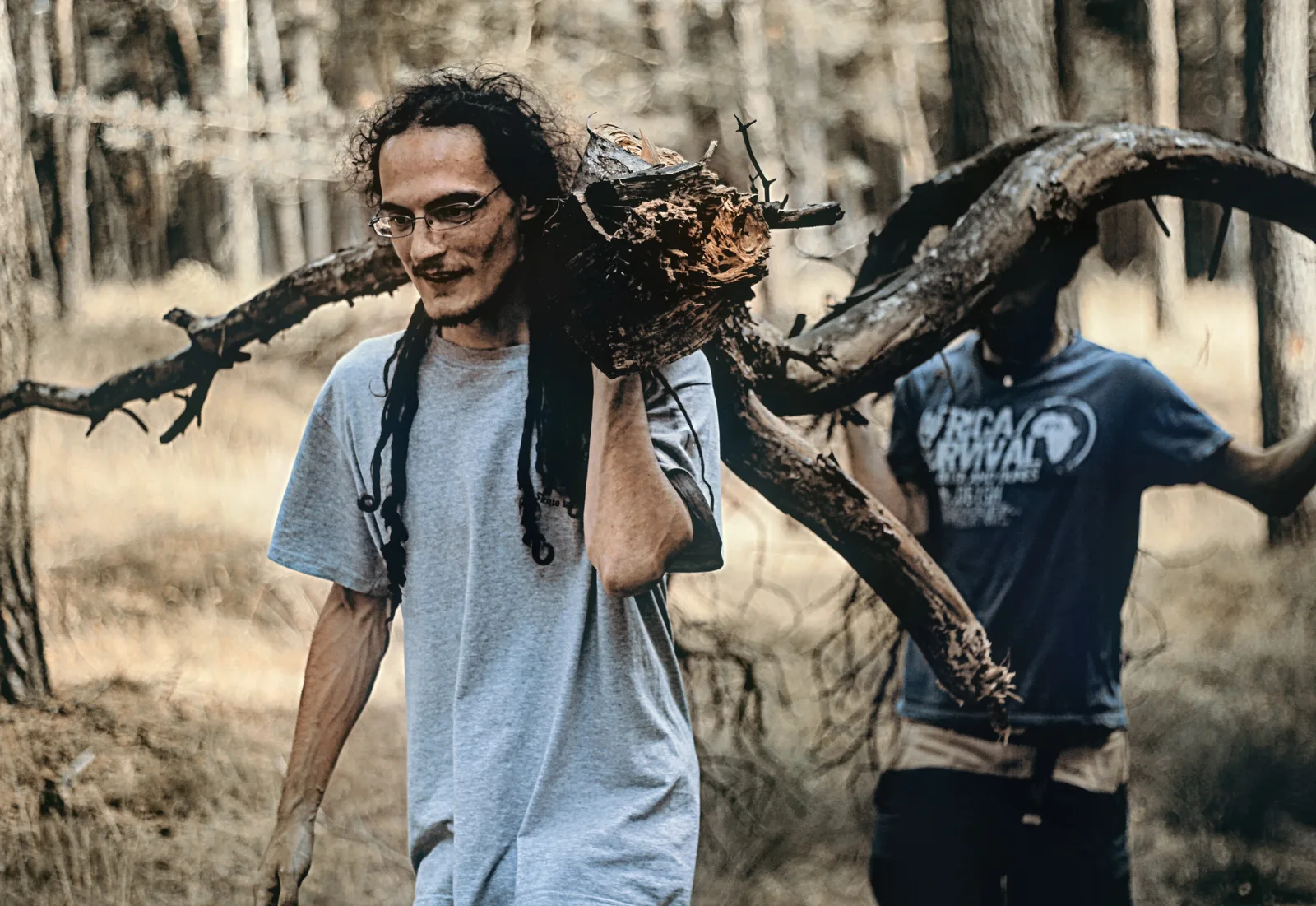
The actors carried a seriousness like the directors, but they were more playful. That's how I eventually came to understand most seasoned actors: they take the work very seriously, and in order to do so they have to let go of ego, hence the silly outbursts and the playful attitudes. I didn't know it yet, but I was meeting archetypes. These same people, in different bodies, would show up on every set I worked on for the next decade.
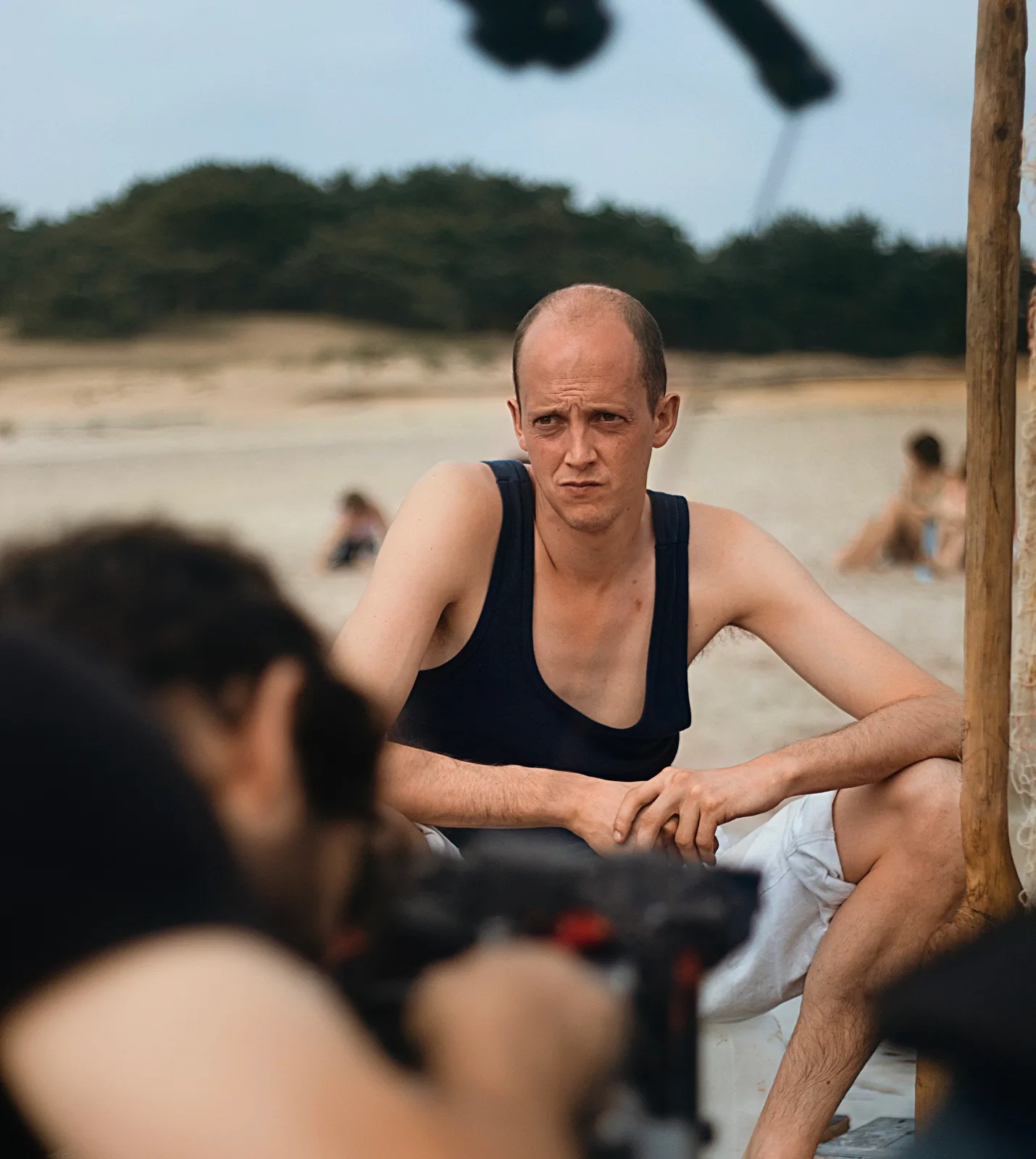
The shoot commenced and piece by piece I puzzled together what the film was actually about. I had read the script, but it only came together once we were on location. Roughly, the story followed a group of people staying at a hidden retreat in the forest, waiting for a submarine that would take them to a promised utopia. Over several days the characters reveal their reasons for leaving and their doubts about whether leaving is the right choice. Transformation, change, letting go. The kinds of themes that trouble the soul. Most of the story took place in a camp built in the woods. In parallel, we the crew were also camping in the woods, so the boundary between the story and the shoot began to blur. We were living the way the characters were living. I had never experienced anything like it. It was still work, but we were going through our own transformation toward a climax.
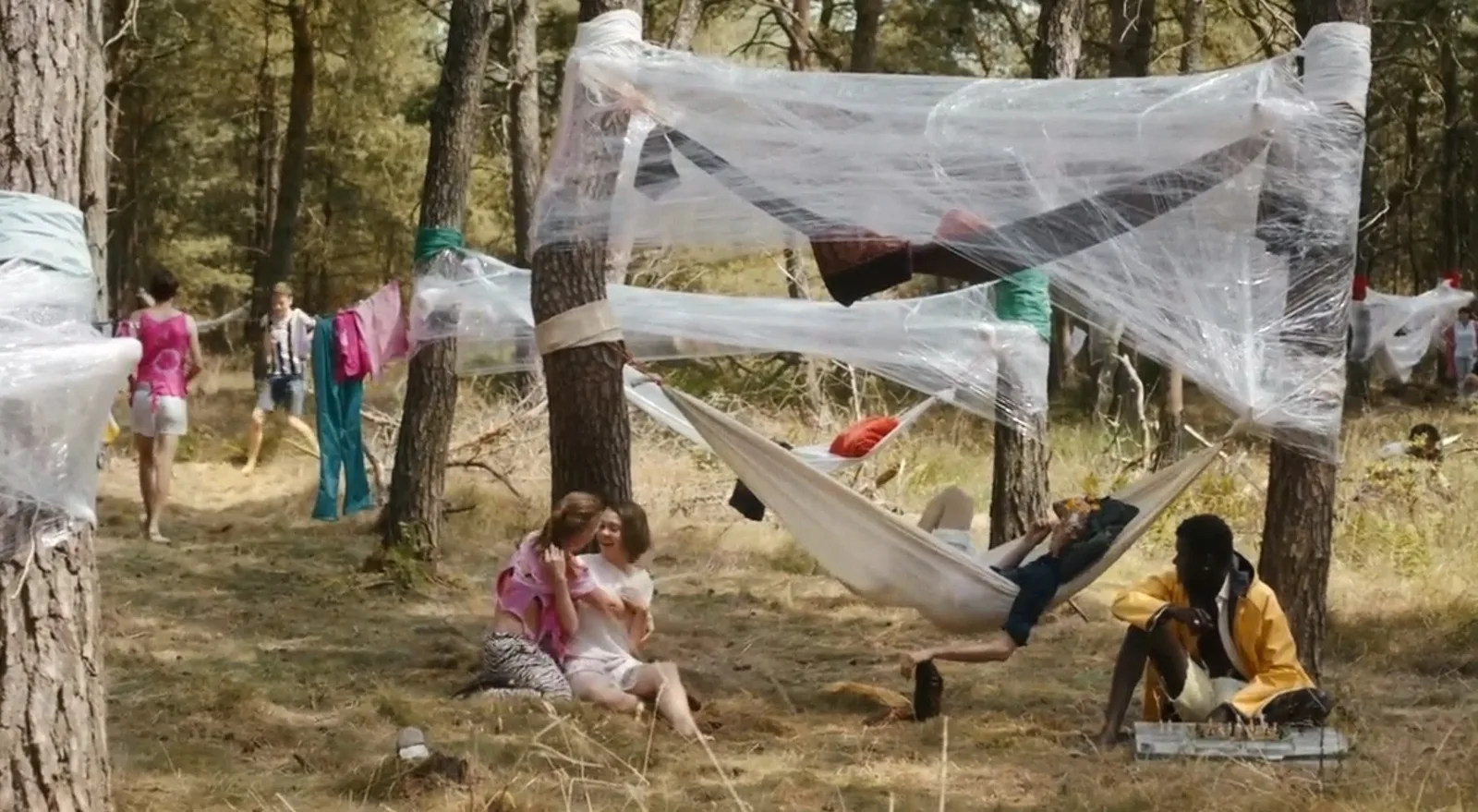
After Annemie left, the shoot became a trial by fire. I was the only location manager supporting the crew and all the responsibility fell on my shoulders. I carried equipment between base camp and the shooting location, cleaned the living spaces, prepared lunches and dinners, made coffee, prepared snacks, moved background actors, helped the art department. And even though I gave it everything, it was too much. Being so much younger than everyone else, not knowing anyone, not having real experience, it led to serious friction. I couldn't keep up with the demands of the team and I broke down in tears.
Later that night, while I was showering in the communal bathrooms, I overheard some women from the art department talking about me. They called me a weirdo. I want to be fair about this, because I understand it now in a way I couldn't at nineteen. I was the youngest person on that shoot by five or six years, working every waking hour while everyone else had a crew to belong to. I'm not a naturally sociable person. I'm often awkward in conversation, and I was exhausted, and I had just cried in front of people. From the outside I must have looked strange: the quiet kid who never joined the group, always carrying something somewhere. They weren't wrong that I was an outsider. They just didn't know why. But that isn't what I felt in the moment. In the moment it broke something.
I didn't stand up at dinner and give a speech. I told a few people, quietly, that if this was how they talked about me while I was giving up my summer for free, I would leave. And it spread the way things do. Nobody said anything.
The director and assistant director took me aside afterwards. They admitted they had neglected my efforts and asked what they could do to lift the burden. We called in one of my classmates. She came over, and from that moment I no longer felt alone. We could divide the work and enjoy the experience again.
I've thought about the timing of this since. The film was about people at a retreat, deciding whether to leave for somewhere else, doubting themselves, working out what they were willing to give up. And there I was in the middle of the woods at nineteen, doubting myself, deciding whether to walk out. We were filming the thing I was doing. I didn't see it at the time. You never do.
It all culminated on the final shooting day. We were filming an ecstatic dance scene around a gigantic bonfire on the beach, planned to start at golden hour and run until sunrise. It was the point where the boundary between the story and the shoot faded almost completely. We needed a large group of people dancing around the fire, so most of the crew joined in. After helping build the bonfire, I joined the dance.
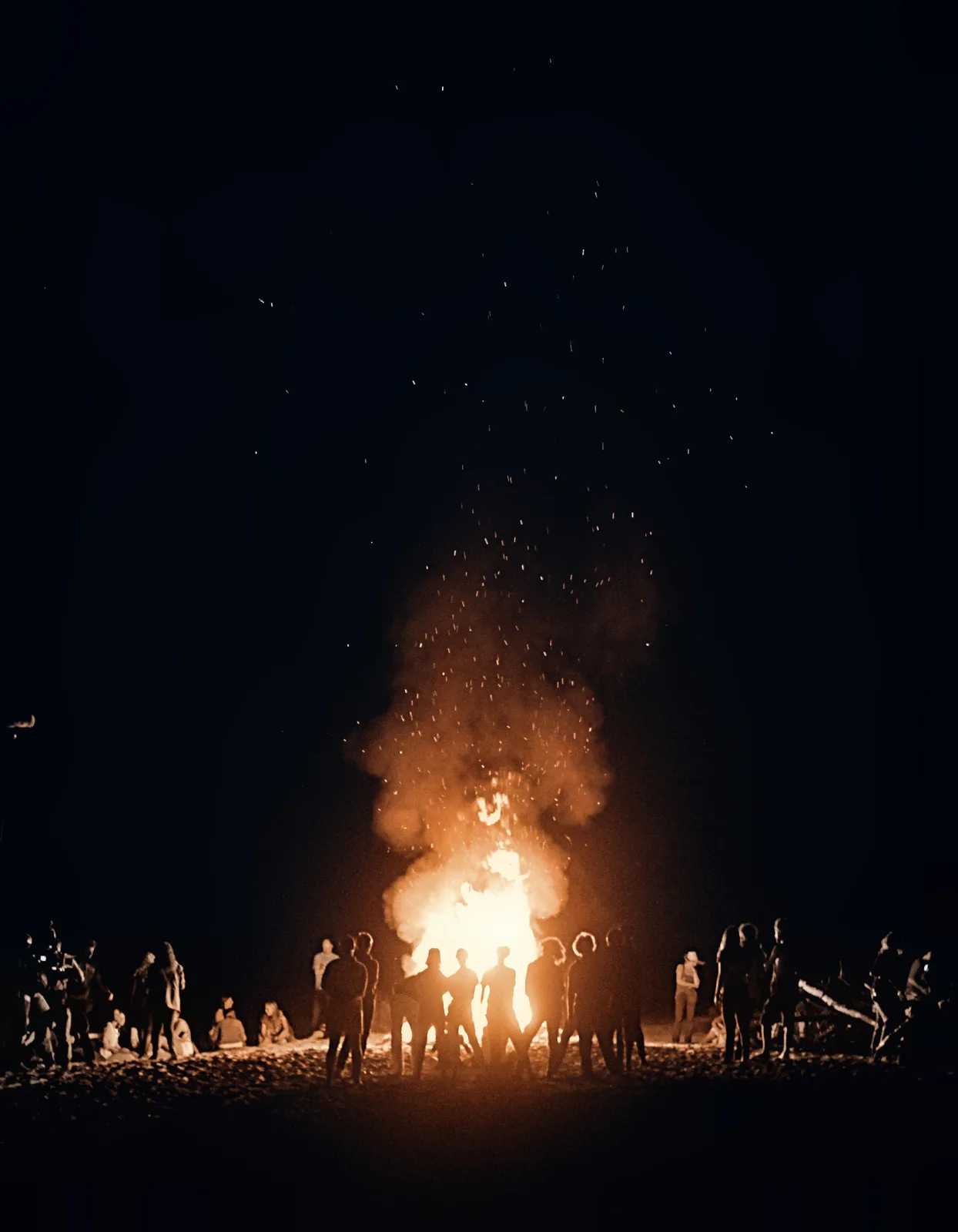
This is the moment in the story where the characters let go of their inhibitions and reveal who they really are. There was something magical about it. The cold air and the heat of the fire. The slow moving bodies, the focus on capturing the moment, everyone tired and worn out after days of shooting. I think at some point people genuinely entered a meditative state. By morning some were asleep on the sand. Others stayed up. We watched and filmed the remaining characters watching the sunrise, shortly before the submarine arrived.
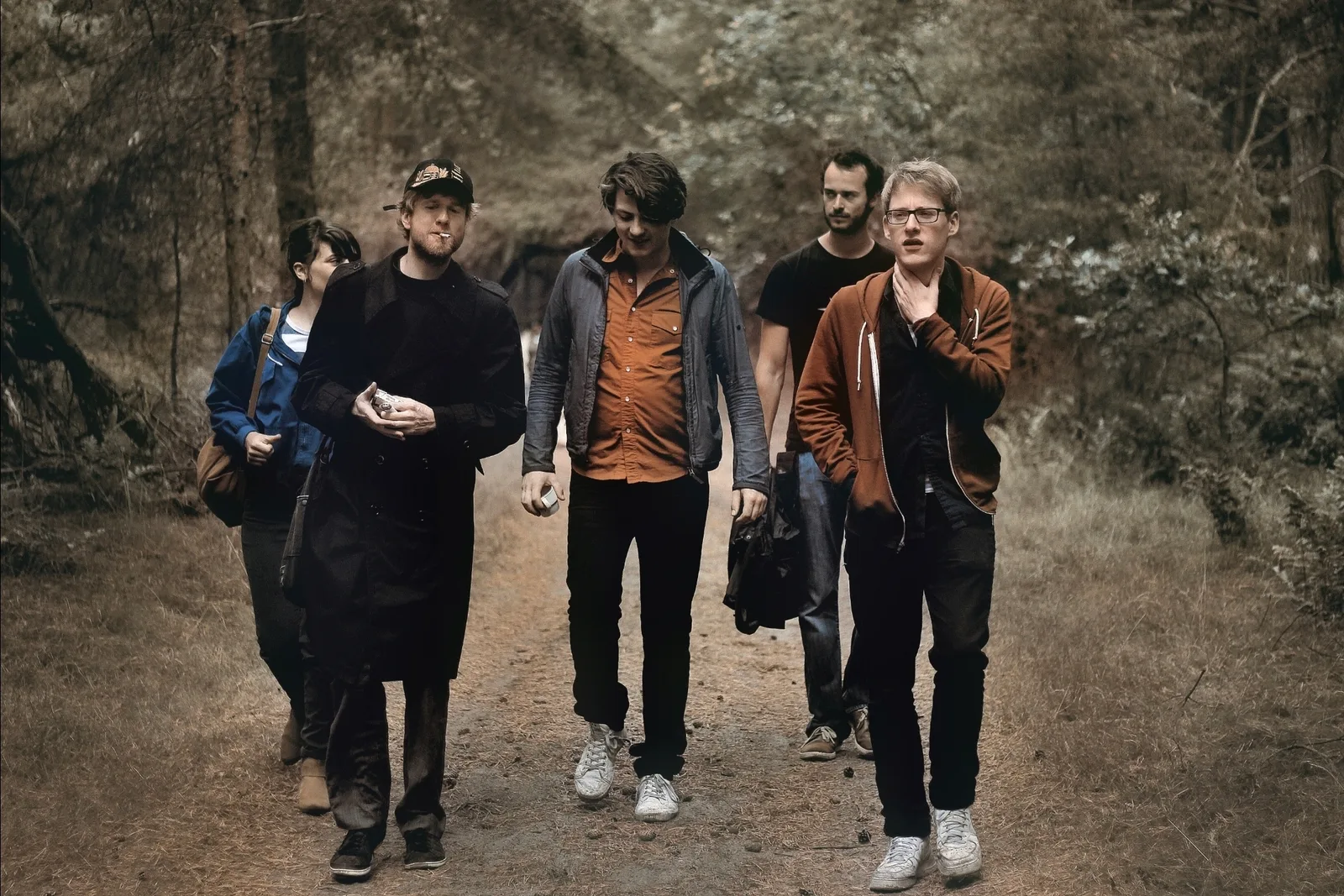
I remember one of the walks between base camp and the location, alone with the director. He asked how I had ended up on his project and I explained that I was a first year film student. He recalled his own first year and asked what kind of stories I wanted to tell. I was still too fresh to have a real answer. But I told him that what we were doing here was inspiring me. That turned out to be true, as you'll read in future posts.
On the final day Annemie came back and we wrapped. I learned a lot from this experience. How to work within a team, which I had never really done before. What sacrifice it takes to make a film. What responsibility my position carried and how dependent the crew was on that support. It shaped how I understood crew work for the rest of my career, and above all it taught me to appreciate the different roles a crew is made of.
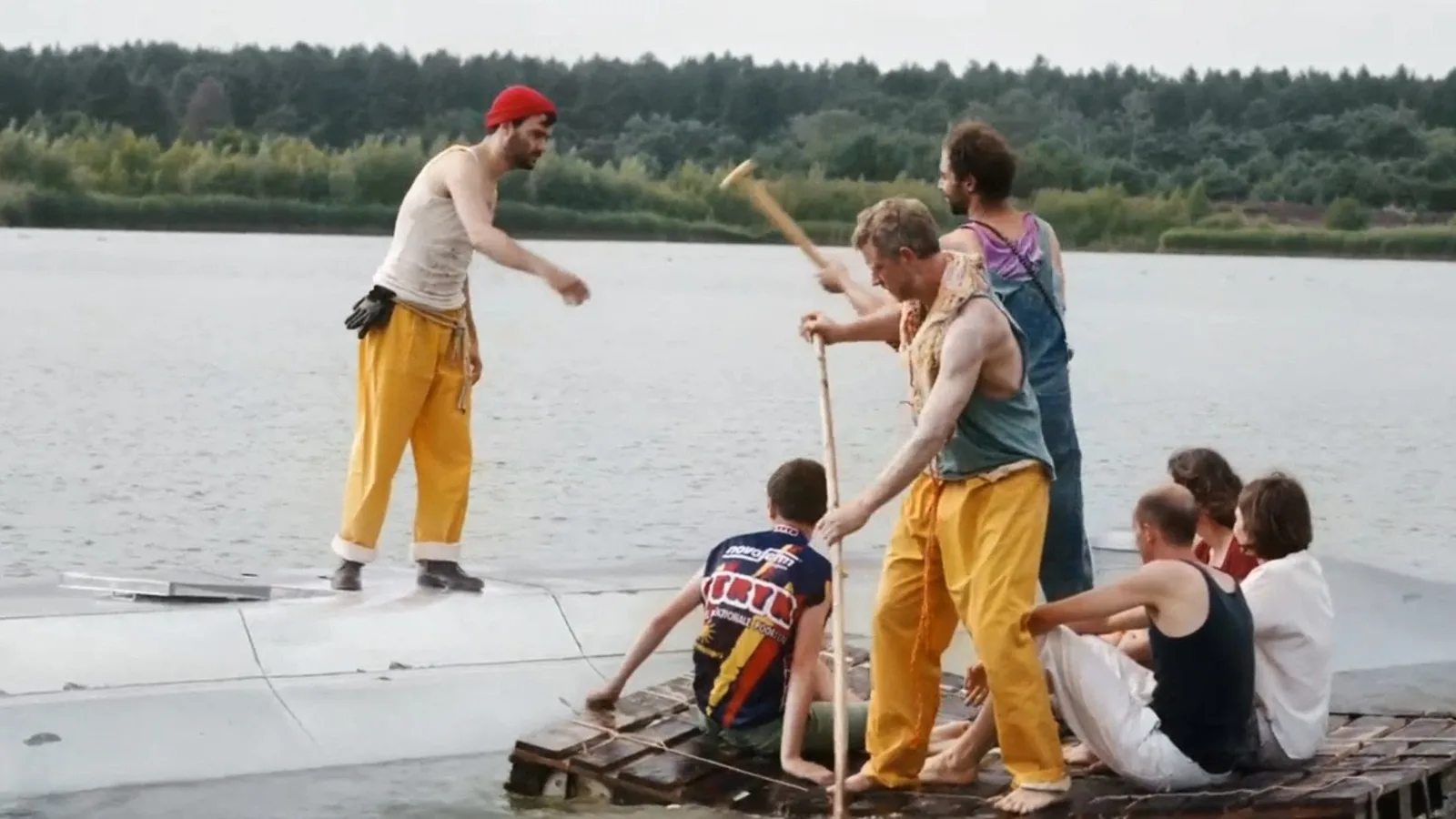
That was my first experience on a film set, as a nineteen year old in the summer of 2014. And it was only the start of my connection with Annemie and with the professional industry, as she would go on to bring me onto much bigger projects: my first feature film and first television series sets.
You can find out more about and watch the short film 'Another Moonscape' through this link: https://www.maximhectors.com/short-films/another-moonscape