
I remember watching an interview with Erik Van Looy on TV when I was young, maybe around ten. He had just released his latest film and was becoming Flanders' most prominent director. The way he spoke about filmmaking really charmed me, and during the interview he mentioned that he had studied at RITCS (then called HRITCS, or just Rits), the leading Flemish film academy and counterpart to the Walloon INSAS. From that point on, the name Rits lingered in the back of my mind. Fast forward to the end of high school in 2013, when it was time to choose where to go for higher education. Throughout those years I had pivoted more and more toward human sciences and the arts. But I couldn't stomach more years of theory and bench-sitting. So in a somewhat unexpected but determined turn, I applied for the entrance exam of the film directing department at Rits.
The exam required a month or two of prep work. First was an essay about your personal relationship with film and storytelling, basically a motivation letter for why you were choosing this path. I was honest. I said I had chosen to pursue it at the last moment, but that I'd loved holding a camera all my life. At that point I wouldn't say I was deeply into movies or had any particular taste. I'd only started discovering quality films the year before, thanks to a high school teacher I had a good relationship with who cared about nurturing our cultural exposure. So what I was most curious about was: how do the professionals do it? How do I go from a guy who makes stupid videos with his friends on YouTube to someone who understands storytelling and technique?
The second part was writing a film review, as if you were a critic writing for a magazine. In my typical autistic thinking I didn't just write the review, I designed a whole magazine layout around it. Totally unnecessary, but it ended up winning the juror over. I wrote about The Tree of Life by Terrence Malick. I thought it was such a beautiful film, and to this day I still love it and am deeply inspired by it. The review itself wasn't very good and didn't do the movie justice, but I picked the right movie to talk about.
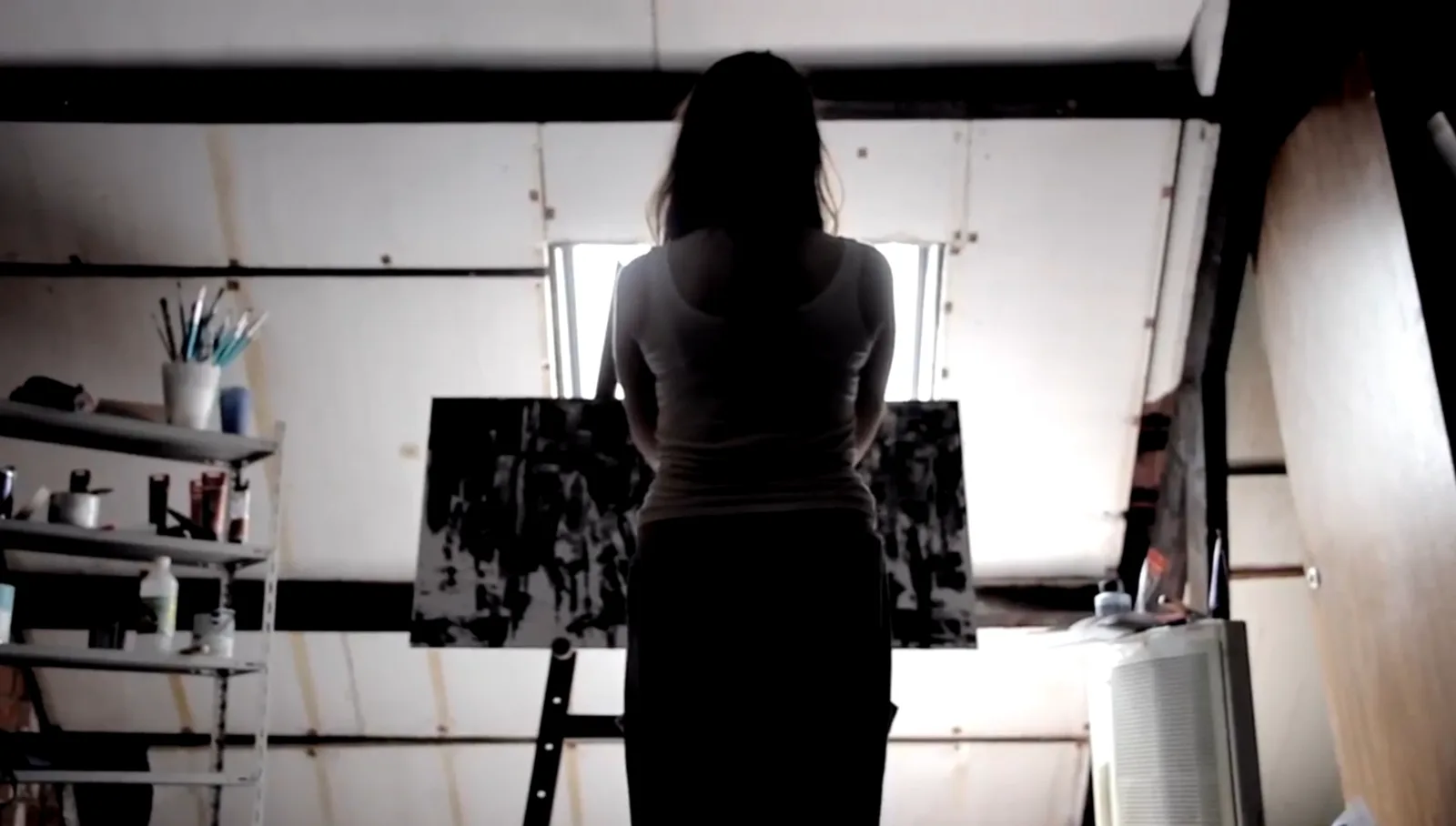
The third part, obviously, was to make a short film of maximum three minutes on a pre-determined topic: "Alone In The World." At the time I was close friends with a girl who studied liberal arts, and she was one of the people who pushed me to pursue film. I had looked up to her my whole life. She was the kind of person who constantly came up with ideas, techniques, and concepts I had never seen before, things that never would have occurred to me. So when we were talking through ideas for the short, I suggested we build something around her painting. I thought up a story about a girl locked in a dusty attic with nothing but her paint supplies and her thoughts. In a fit, she unleashes her emotions onto the canvas, and the result is a reflection of her dark ego. We made it up as we went. We shot for a day and wrapped in time for the submission.
Then jury day came. It was the last weekend of August, with the academic year starting about two weeks later. All or nothing. Plenty of people apply to the academy every year, and on jury day it was a little chaotic, with serious delays piling up. Each applicant had registered for a timeslot to enter a room where three teachers would rate your submission based on their respective fields. The delays got so bad that more staff had to step in to help, and I ended up meeting individual teachers instead of the appointed jury. I didn't yet realize what an insane advantage that would turn out to be.
The first teacher I met was the directing department's assistant manager. He took one look at my review and motivation letter and said it was obvious I was serious about this, and he approved me. I almost thought it was a joke. Then we just had a pleasant conversation about The Tree of Life, which he also turned out to love.
The second was the former president of the academy. He had resigned that same summer to return to teaching. He was the one to watch my short film. It was the first time I watched it beside someone else, and my heart sank into my shoes. The story didn't hold up, and he didn't pretend otherwise. He said it was pretty rough, except for one thing. He understood that I had wanted to build it around my friend's painting technique. She used palette knives, the kind usually meant for construction work, to paint. As a lover of painted art he was impressed by the choice and by her skill, and he said I clearly had a sense of what is visually interesting. For that he approved me. And so I passed the jury and could formally begin my film directing education the following month.
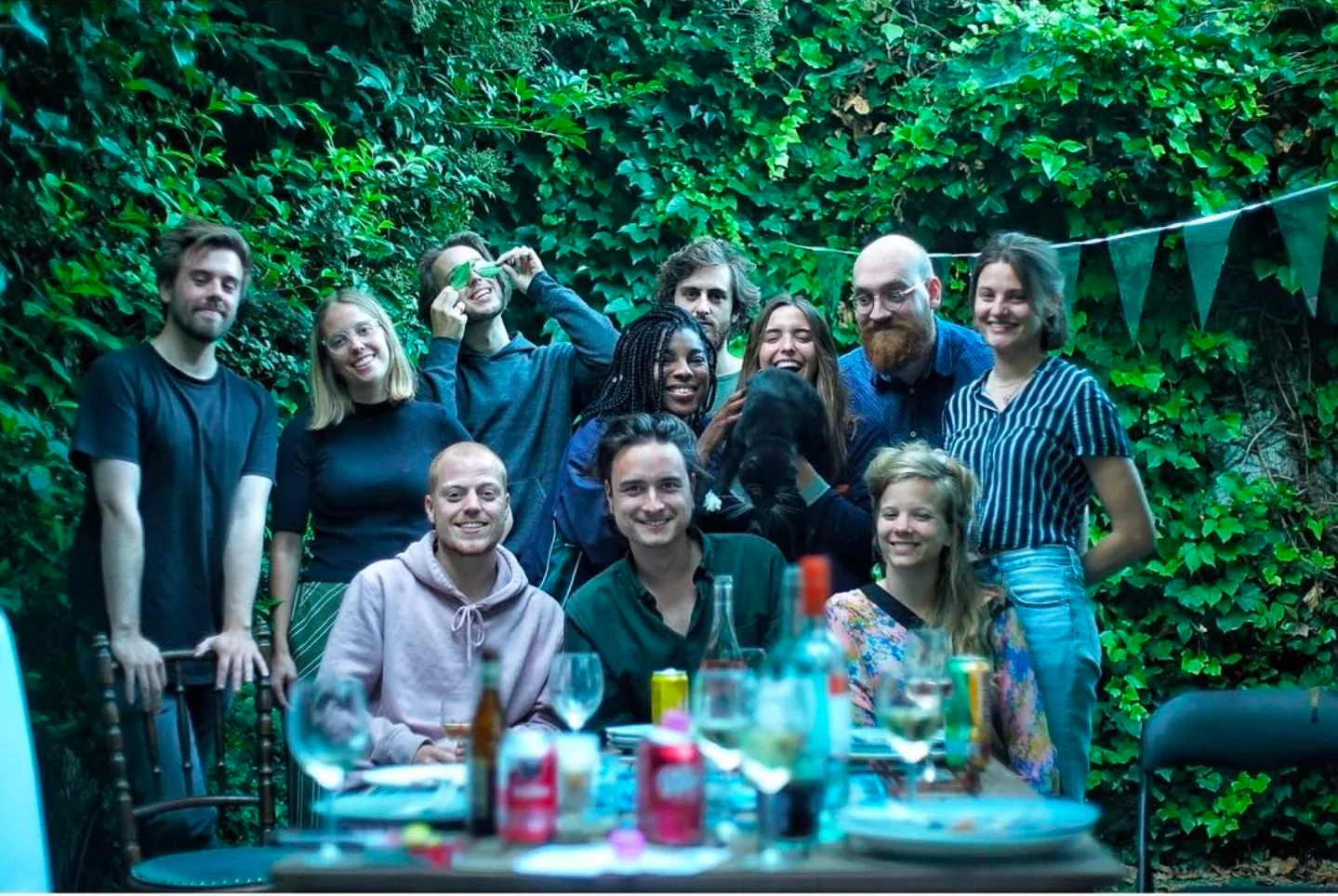
Looking back, this whole situation laid the groundwork for a lot of patterns that followed. Sometimes success is being in the right place at the right time. Meeting the right people. Persisting through difficulty. The entrance exam, and my entire education after it, was an uphill battle that constantly revealed how much I still had to learn compared to my peers. But what I did have was persistence, and an instinct for putting myself in the right places, and for recognizing what was good in other people, even when I couldn't yet do it myself. I think that's what got me into the program with ninety other students, and what got me to the end, where I graduated with only seven.
You can watch the entrance short film I made down below.